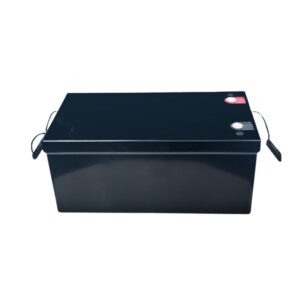
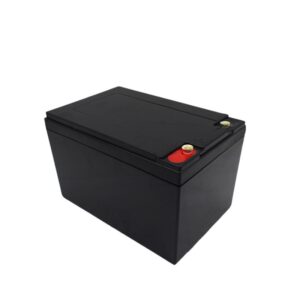
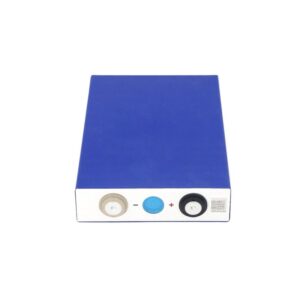
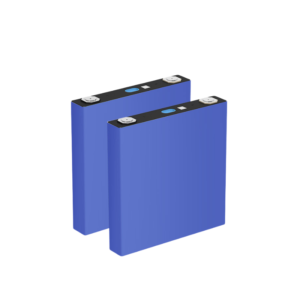
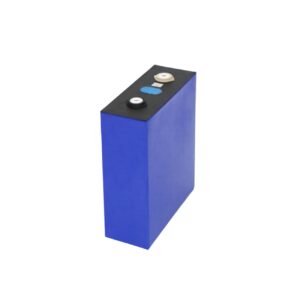
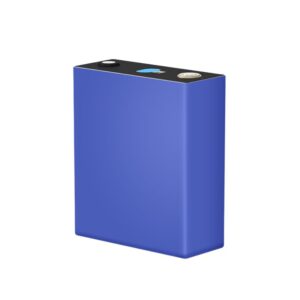
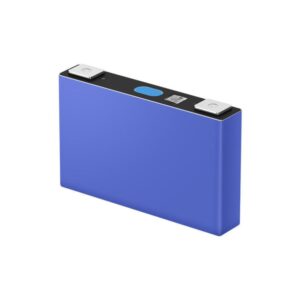
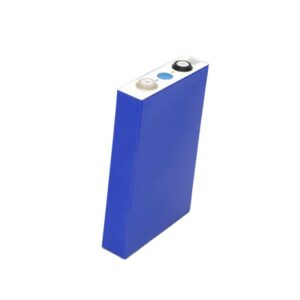
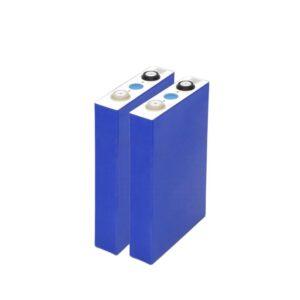
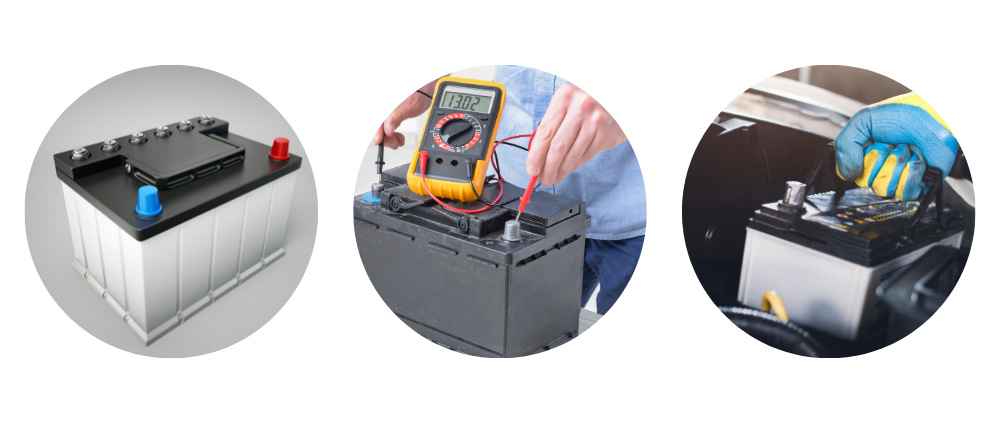
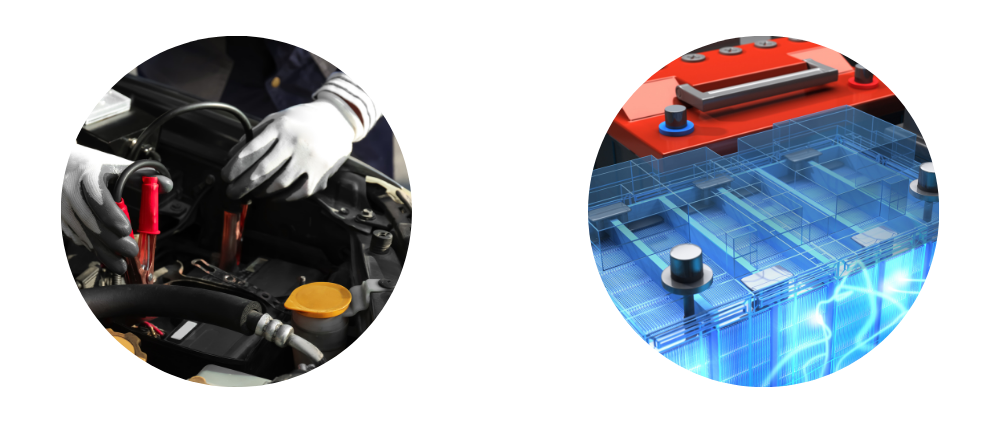
磷酸铁锂电池

LiFePO4 Battery Video Display

This video shows our LiFePO4 Battery, which uses lithium iron phosphate as the positive electrode material and graphite as the negative electrode material. 您可以在视频中看到这些电池的基本信息及其外观. 作为制造商, 我们可以为客户提供电池的OEM和定制服务. 我们还可以根据客户需求处理和生产电池. 此外, 我们可以根据不同的应用程序方案为客户提供自定义的解决方案. 生产的电池将被海上运送到客户指定的位置. If you want to import LiFePO4 Battery from China, 请联系我们.

What is LiFePO4 Battery?

LiFePO4 battery is a rechargeable lithium-ion battery. It uses lithium iron phosphate as the positive electrode material and graphite as the negative electrode material, and completes the charging and discharging process through the movement of lithium ions between the positive and negative electrodes.

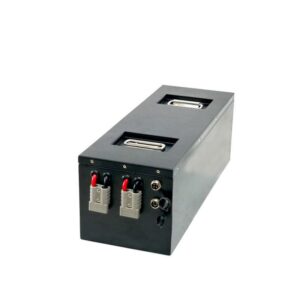
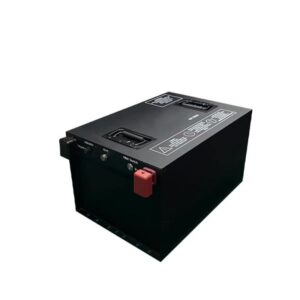
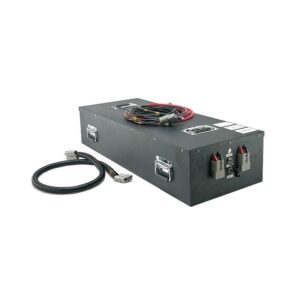
As the most basic battery unit, the LiFePO4 battery with a nominal voltage of 3.2V can be combined into a variety of battery packs with different voltages and capacities through parallel and series connection.

The nominal voltage of LiFePO4 battery can be: 3.2V, 12V, 24V, 36V, 48V, 72V, ETC. By customizing the LiFePO4 battery, it can be used in a variety of different devices.

Illustration-What is LiFePO4 Battery

LiFePO4 Battery Structure

LiFePO4 battery can be divided into six parts in structure.

  1. Positive electrode

Lithium iron phosphate (LiFePO4) is generally used as the positive electrode material in the battery.

  1. Negative electrode

Artificial graphite is a commonly used negative electrode material. Its crystal is composed of hexagonal mesh plane specifications composed of carbon atoms and has a layered structure. Graphite has good conductivity and high crystallinity.

  1. Electrolyte

The electrolyte is an important component of the battery. It plays the role of conducting ions between the positive and negative electrodes of the battery and is a bridge connecting the positive and negative electrode materials.

  1. Diaphragm

The diaphragm is one of the key inner layer structures of the battery cell. Its main function is to separate the positive and negative electrodes of the battery and prevent the two electrodes from short-circuiting. It has the function of ion passage. When the battery is overheated, it blocks the current conduction in the battery through the closed-cell function. The main raw materials for the diaphragm are polyethylene PE and polypropylene PP.

  1. Conductive agent

The conductive agent is to ensure that the electrode has good charge and discharge performance. A certain amount of conductive material is usually added when the pole piece is made, thereby improving the charge and discharge efficiency of the electrode.

  1. Binder

The raw material ratio of a complete lithium-ion battery must include active material, conductive agent, binder, solvent, and additives. The binder plays the role of bonding the active material to the foil, the active material to the active material, and the active material to the conductive agent. Although the amount used is small, its role is irreplaceable.

Working Principle Of LiFePO4 Battery

The working principle of LiFePO4 battery can be summarized as lithium ions constantly embedding and de-embedding between the positive and negative electrodes of the battery.

Charging process of LiFePO4 battery:

When LiFePO4 battery is connected to power, lithium ions will be de-embedded from the positive electrode and then moved to the negative electrode through the electrolyte and diaphragm. 同时, electrons will flow from the positive electrode to the negative electrode, so that the whole process achieves charge balance. This process is expressed by the formula: LiFePO₄→ FePO₄+ Li⁺+ e⁻

Discharging process of LiFePO4 battery:

When LiFePO4 battery is powering the device, lithium ions will be de-embedded from the negative electrode and then move to the positive electrode through the electrolyte and diaphragm. 同时, electrons will flow from the negative electrode to the positive electrode, forming a current. This process is expressed by the formula: FePO₄+ Li⁺+ e⁻→ LiFePO₄

LiFePO4 Battery Features

  • 长寿, 大容量, 高能量密度

LiFePO4 battery is equipped with A-grade battery cells, and its cycle life can reach more than 2,000 times. Under the same volume, its capacity is larger and its energy density is higher, which is several times higher than ordinary traditional batteries, such as lead-acid batteries.

  • Safe and stable

LiFePO4 battery is designed with Battery Management System (BMS), which can effectively protect and manage the battery, making its performance stable, 安全的, and reliable. Its protection system includes overcharge protection, 过度放松保护, 过电流保护, 短路保护, high and low temperature protection, 断路器保护, 电压平衡, ETC.

  • Low cost

Some batteries are expensive because of their high raw material costs. 例如, cobalt, a heavy metal material that can be used in lithium-ion batteries, is scarce in nature and its price fluctuates greatly. LiFePO4 battery has abundant raw material resources, so it is relatively cheaper, making its application range more extensive.

  • No memory effect

Traditional rechargeable batteries, such as nickel-cadmium batteries and nickel-metal hydride batteries, have memory effects. If these batteries are charged without being fully discharged, the battery capacity will be reduced. LiFePO4 battery has no memory effect due to its working principle and material characteristics, and can be charged and discharged at any time without adverse effects on the battery.

  • 环境保护

LiFePO4 battery does not contain harmful heavy metals, such as arsenic, 带领, mercury, 镉, and chromium. 所以, it is generally considered to be a non-toxic and harmless battery product, which will not only not pollute the environment, but also will not affect human health.

Applications of LiFePO4 Battery

Due to the advantages and characteristics of LiFePO4 battery, it is widely used as a power battery and energy storage battery in various products, such as electric vehicles, solar and wind energy storage equipment, ETC. It can also be used in power tools, 照明设备, 医疗设备, digital equipment, and other products.

图示-电池的应用

Quality Inspection of LiFePO4 Battery

We have very strict quality control on the LiFePO4 Battery. 我们拥有专业的质检团队, 我们有实验室和许多设备. 我们的电池将接受冲击测试, 跌落测试, 振动测试, 高低温循环测试, ETC. 这些测试确保我们生产的电池品质优良且稳定.

同时, 我们的质检员将跟踪电池生产的整个过程, 从材料选择上, 制造过程, 包装工艺, 至装运前, 我们将进行一系列的质量检查.

我们完整多样的质检流程可以确保您收到的货物没有问题.

国际认证和标准

我们生产的所有电池均符合严格的国际标准. 我们的电池有CE认证, 有害物质限制指令, 及其他相关认证. 我们对电池品质的追求和承诺不断推动我们在这一领域不断进步.

Custom LiFePO4 Battery

我们有定制能力. For LiFePO4 battery, 定制化主要体现在原材料上, 容量, 电压, 尺寸, 以及电池的其他参数. 我们还可以定制外观, 颜色, 包装设计, 品牌标志, ETC.

简而言之, 我们将尽力满足客户的定制需求并提供可行的解决方案.

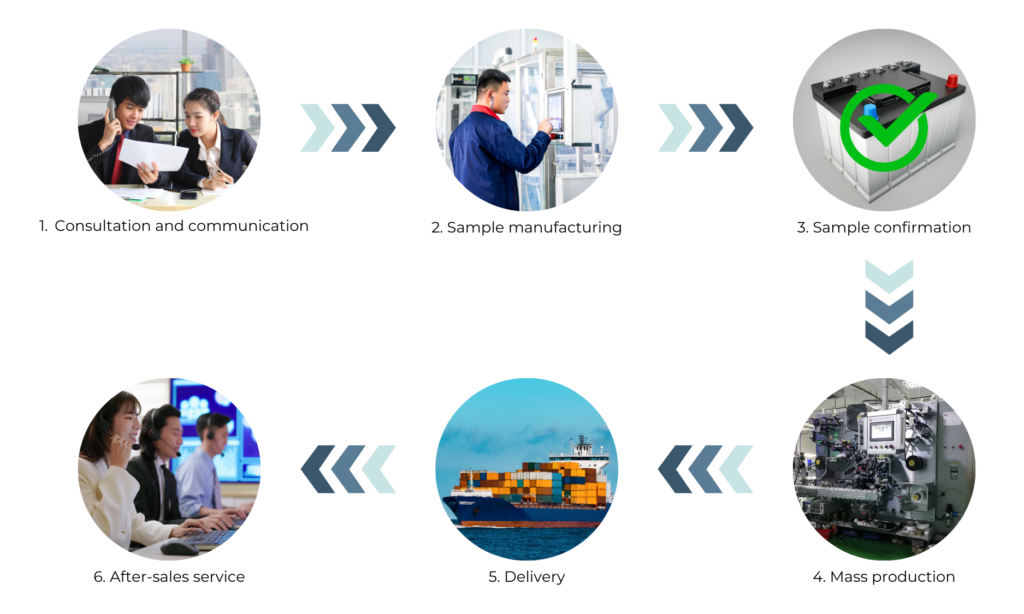
在多年提供电池定制和OEM服务的过程中, 我们制定了一套标准步骤和流程. 按照这个流程, 电池定制流程确保万无一失. 以下是 6 该过程的主要步骤:

1. 咨询沟通

第一的, 您向我们提交您的电池定制要求. 在此过程中, 我们的销售团队, 技术团队, 设计团队将为您服务并在不断的沟通中确认您的需求.

  1. 样品制作

我们将根据您的需求为您制作样品.

  1. 样品确认

生产的样品将在几天内交付给您, 您将确认样品是否符合您的要求.

  1. 量产

如果样本有误, 我们会根据您的反馈不断调整,直到样品正确为止. 如果确认样品正确, 我们将安排工厂车间进行批量生产, 并且电池将在您指定的截止日期之前制造.

  1. 送货

电池制造完成后, 将为您安排物流发货, 货物通常会通过海运运送到您指定的地点.

  1. 售后服务

当您收到货后, 这并不意味着结束. 我们的售后团队将跟进售后情况. 有任何问题都可以反馈给我们, 我们会积极配合您,帮您解决售后问题,直到您满意为止.

图解-磷酸铁锂电池定制流程(2)

定制解决方案

We can also customize relevant solutions according to the application scenarios of the battery. 例如, extending the endurance of equipment in low temperature environments, safe electricity use of enterprise energy storage systems, application solutions of LiFePO4 batteries on ships, fast charging solutions for electronic devices, ETC.

如果您想要定制电池解决方案, 请 联系我们.

China LiFePO4 Battery Manufacturer

Liteway is a Chinese manufacturer specializing in the production of various lithium-ion batteries including LiFePO4 batteries. 我们有超过 20 多年的发展历史和电池制造/出口经验. 我们不仅有我们的品牌产品, 但我们也为世界各地的客户生产电池. 我们的制造能力得到了众多合作伙伴的认可.

Our LiFePO4 battery adopts independent research and development design, 我们还可以根据客户要求提供电池定制服务和OEM服务.

我们的电池在制造过程中会经过多重质量检验,然后通过海运和空运运送到客户指定地点.

LiFePO4 batteries are one of our rechargeable battery series. 如果您想查看其他型号或想了解更多关于充电电池/锂离子电池的信息, 请 点击这里.

如果您想与我们合作,让我们为您生产和定制电池, 请 联系我们.

插图-中国锂离子电池制造商2

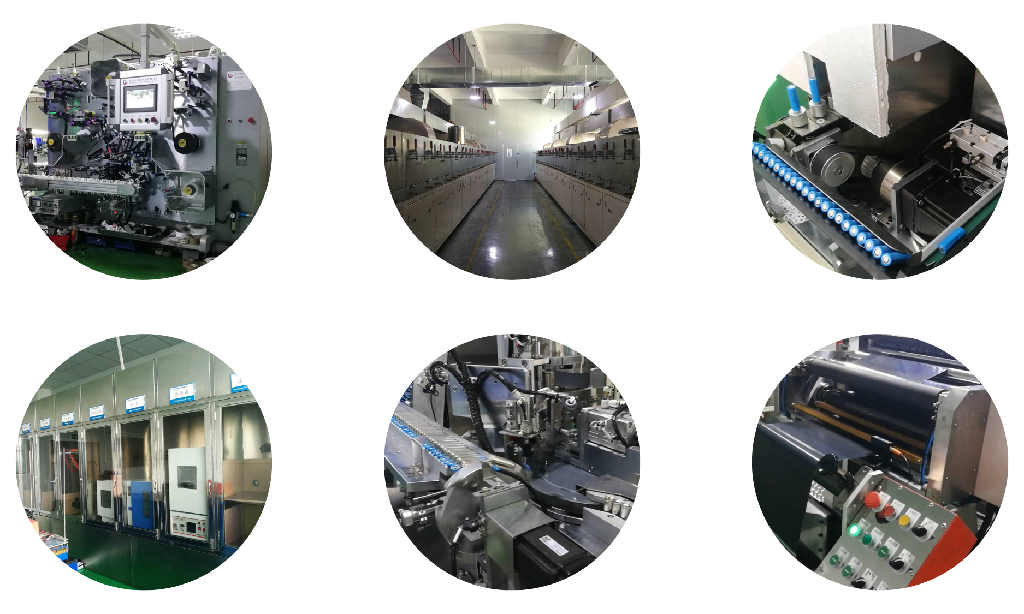
锂离子电池工厂视频展示

本视频展示的是我们的锂离子电池生产车间. 我们的一线工作人员正在努力工作, 所以我们每天可以生产大量的锂离子电池. 这些电池将经过各种质量检验流程,最终出口到世界各地.

我们保证不会以任何理由向任何第三方披露您在此填写的信息.

与专家取得联系

立即获取报价